
Dry-Lining Insulation in Ireland
How internal dry-lining works, what it costs in 2026 and how to claim the SEAI grant of up to €4,500.
Dry Lining: The Wall Upgrade for Solid-Wall Homes That Keeps Works Inside
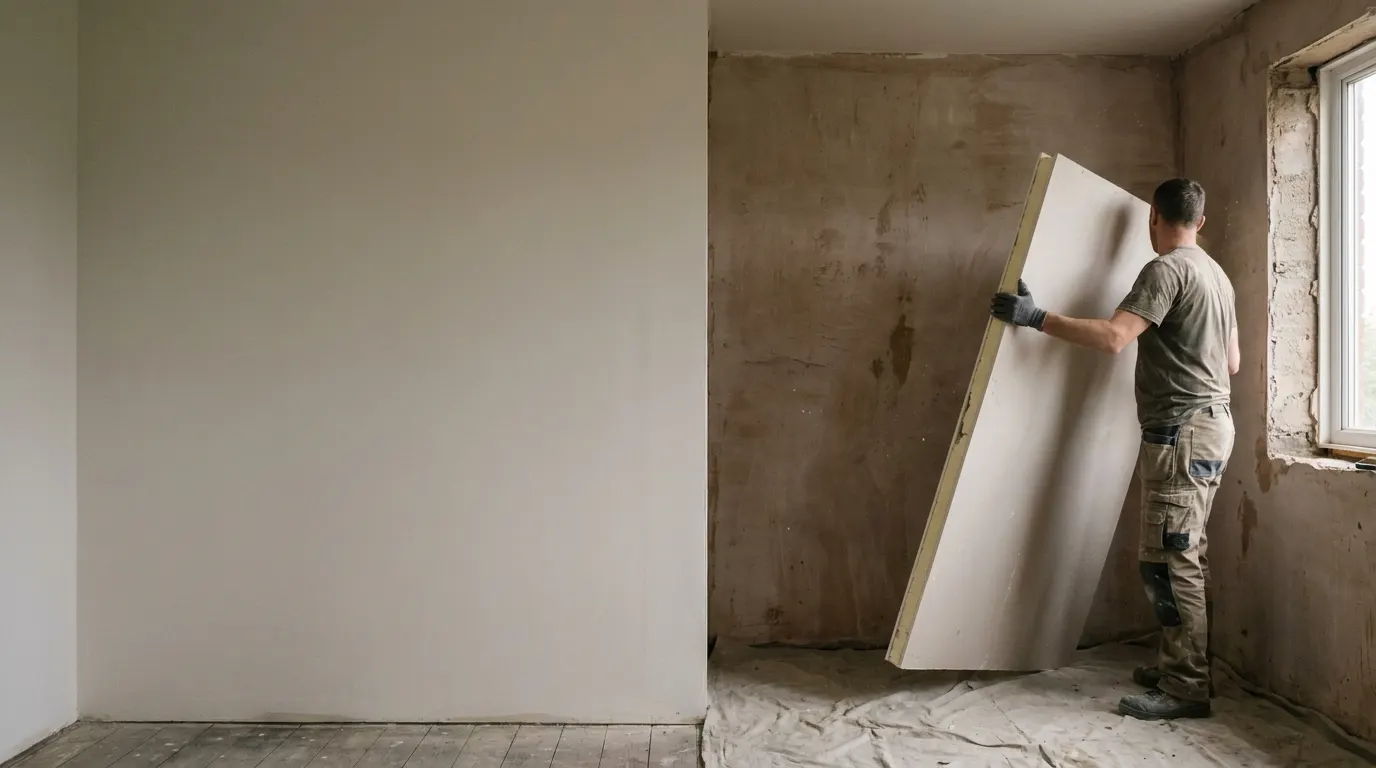
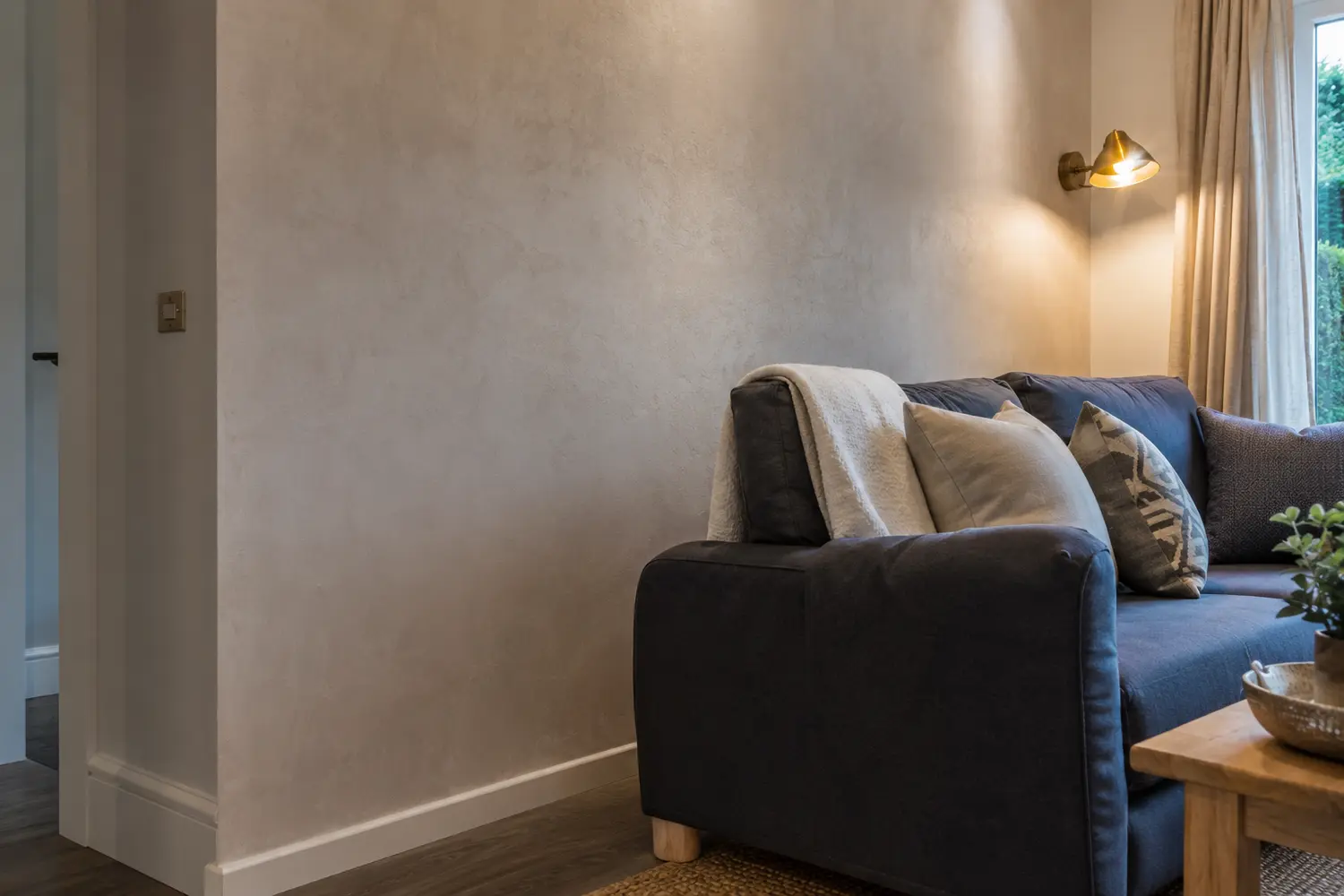
Dry lining bonds rigid insulation boards to the internal face of external walls, then skims with plasterboard to give a warm, ready-to-decorate surface. It is the internal alternative to external wall insulation for solid-wall homes and is widely used across older Irish properties where external works are not practical.
Unlike external wall insulation, dry lining requires no scaffolding and causes no change to the outside appearance of your home. The trade-off is a small reduction in internal room size on each external wall treated.
Every contractor listed here is drawn from the official SEAI register, which is what keeps the work grant-eligible. You contact them directly, with no middleman and no booking fee.
Find Dry-Lining Insulation Contractors in Your County
All 26 counties, with the number of SEAI-registered dry-lining insulation contractors covering each one. Pick yours to see who they are and how to contact them.
When Dry Lining Is the Right Call Instead of Going Outside
Dry lining and external wall insulation solve the same problem on a solid-wall house, and the choice between them usually comes down to what is possible rather than what is ideal. A protected structure, a house in an architectural conservation area, a terrace where the front elevation cannot change, or a wall with no room to build out all point inside.
It also suits work you are doing anyway. If a room is being stripped back for rewiring, replastering or a full refurbishment, the extra cost of insulating while the walls are open is much lower than doing it as a job on its own.
The honest trade-off is room size and disruption. Each treated wall loses 60mm to 100mm of depth, rooms need clearing, and everything has to be redecorated afterwards. On a house that can take external insulation, going outside avoids all of that.
Compare Internal and External InsulationWhat Happens During a Dry-Lining Installation
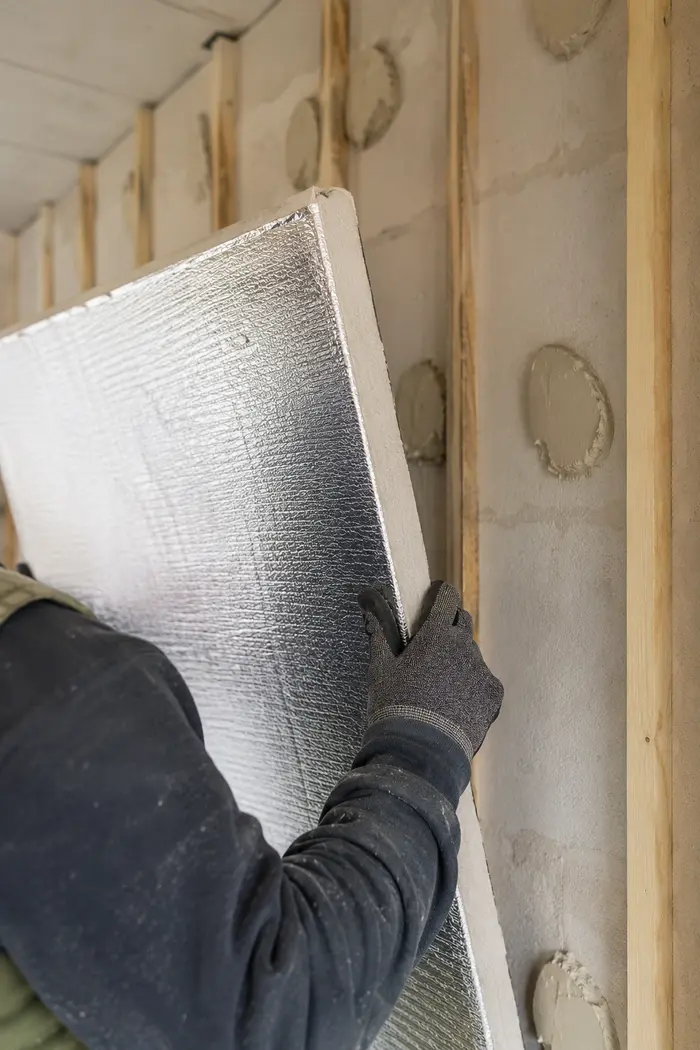
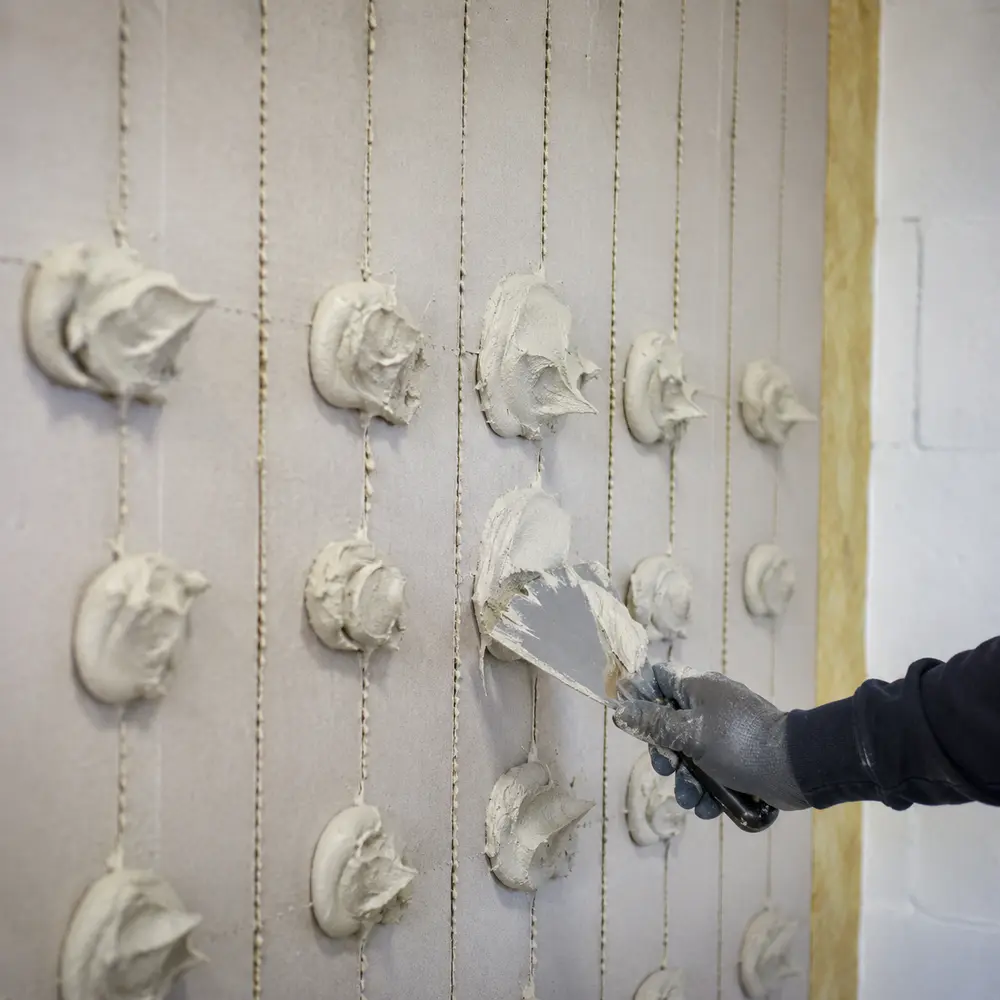
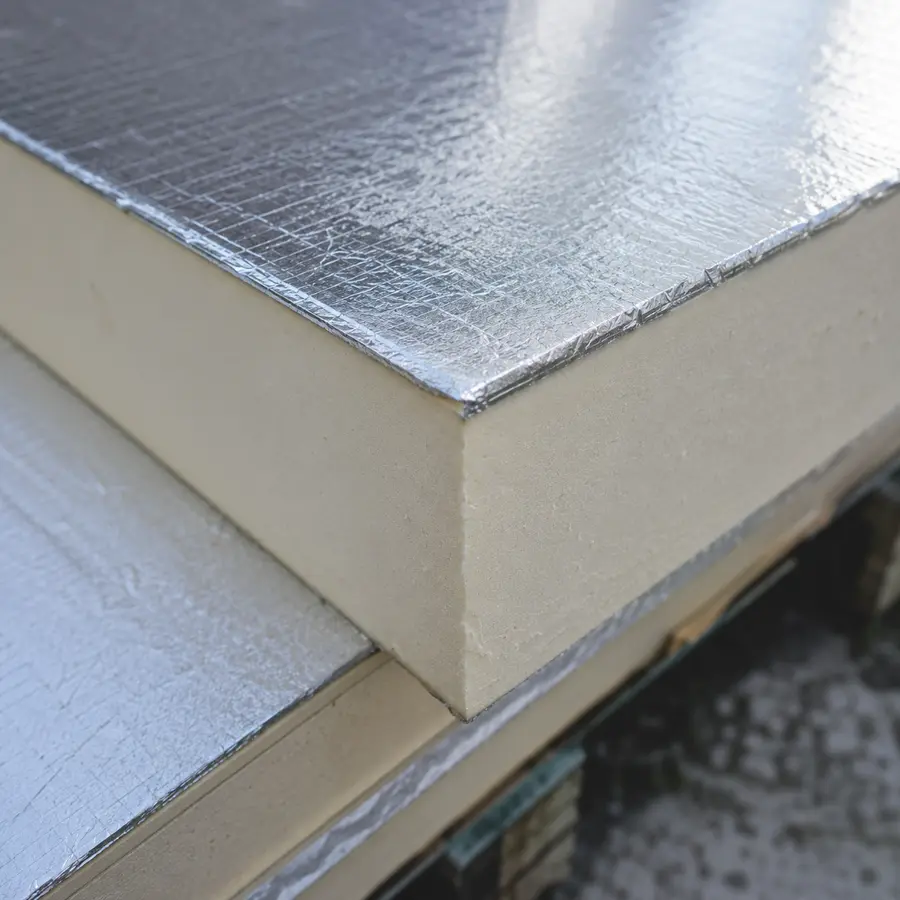
Rigid insulation boards, typically PIR or EPS backed with plasterboard, are fixed to the internal face of external walls using adhesive dabs or a timber or metal batten framework. The boards are taped at joints, and the surface is finished ready for painting or wallpapering.
Skirting boards, window reveals, electrical sockets and radiators are removed and repositioned to sit flush with the new wall surface. The work is carried out room by room, so disruption is contained to one area at a time.
A standard semi-detached home typically takes three to five days. Rooms need to be cleared before work begins and redecorated afterwards, which is worth planning around rather than discovering on the day.
How Much Does Dry-Lining Insulation Cost in Ireland?
Dry lining typically costs more than cavity fill because of the internal fit-out work involved, but the SEAI grant significantly reduces the net cost. A standard semi-detached home costs €4,000 to €8,000 before the grant.
Before the Grant
€4,000 to €8,000
For a three-bed semi-detached home. A mid-terrace runs €3,500 to €6,000, a four-bed detached €6,000 to €12,000, and a large-footprint bungalow €7,000 to €14,000.
SEAI Grant
Up to €4,500
Up to €4,500 per dwelling for internal dry-lining insulation, applied as a direct deduction from your contractor invoice. Your home must have been built and occupied before 2011.
What You Actually Pay
€0 to €4,000
For a semi-detached home. Larger properties are left with more. Costs vary by home size, number of external walls treated and access, so get at least two quotes.
| Property type | Before the grant | SEAI grant | What you pay |
|---|---|---|---|
| Mid-terrace, 3 bed | €3,500 – €6,000 | up to €4,500 | €0 – €2,000 |
| Semi-detached, 3 bed | €4,000 – €8,000 | up to €4,500 | €0 – €4,000 |
| Detached, 4 bed | €6,000 – €12,000 | up to €4,500 | €1,500 – €8,000 |
| Large bungalow | €7,000 – €14,000 | up to €4,500 | €2,500 – €10,000 |
The grant is per dwelling rather than per wall, so the more walls you treat the better the value, and a partial job carries the same maximum as a whole-house one.
Is Dry Lining the Right Choice for Your Home?
Dry lining suits solid-wall homes where external insulation is not an option, whether because of planning constraints, a protected structure, a shared elevation on a terrace, or simply no room to build the wall outward.
It is also the practical choice when only part of the house needs treating. Because the work is done room by room, you can insulate the coldest rooms first and leave the rest, which is not really possible with a wrap that has to be continuous.
The main thing to be clear about before committing is the loss of internal space and the redecoration that follows. On a small room, 100mm off two walls is noticeable.
- Solid walls with no cavity to fill
- External insulation ruled out by planning or appearance
- A room already being stripped back for other work
- Rooms large enough to give up 60mm to 100mm of depth
- Home built and occupied before 2011, for the SEAI grant
What It Actually Costs You in Room Size
Every discussion of dry lining eventually arrives at the same question, and it deserves a real number rather than reassurance. The build-up is the insulation plus the plasterboard plus the fixing method, and it comes to between 60mm and 100mm off the face of each treated wall.
What that means in a room depends entirely on which walls are external. A mid-terrace with one external wall loses depth in one direction and most people never notice. A corner room with two external walls loses it in both, and in a small bedroom that is the difference between a wardrobe fitting and not fitting.
The number is smaller with PIR than with EPS for the same performance, which is why internal work is usually quoted in PIR despite costing more per board. If a quote is unusually cheap, check which board it uses, because 30mm of extra depth on every wall is a real cost being passed to you rather than a saving.
Measure the rooms before you commit. A tape and five minutes tells you more than any amount of discussion, and it is much easier to change the plan at that stage than after the boards are ordered.
| Board | Depth for a typical upgrade | Cost | Where it suits |
|---|---|---|---|
| PIR-backed | 60–75mm | Higher | Small rooms, hallways, anywhere tight |
| EPS-backed | 90–100mm | Lower | Larger rooms where depth is affordable |
| Batten and infill | 75–100mm | Middle | Uneven walls that will not take dabs |
The Work Around Everything That Is Fixed to the Wall
The insulation is the simple part. What makes dry lining disruptive is that the new surface sits in front of where everything currently is, so everything has to move.
Sockets and switches on external walls need extending forward onto the new face, which is electrical work and should be priced as such rather than appearing as an extra later. Radiators come off and go back on longer brackets or new pipe tails. Skirting and architrave come off and are usually replaced rather than refitted, because they will no longer sit flush. Window boards need replacing for the same reason as external sills: the original is now too short.
Curtain poles, shelving, wall-mounted televisions and anything else fixed into the old wall need noggins or pattress boards built into the lining while it is open, or they have nothing solid to fix back into afterwards. This is the single most common thing forgotten at quote stage, and it is trivially cheap during the work and expensive afterwards.
Plan the rooms in an order that leaves you somewhere to live. Because the work is room by room, a house can stay occupied throughout, which is the main practical advantage this measure has over a full external wrap.
- Sockets and switches extended onto the new wall face
- Radiators removed and refitted on new tails
- Skirting, architrave and window boards replaced
- Noggins built in for anything that will be hung on the wall
- A decorating budget, because every treated room needs it
Detailing, and Why the Junctions Decide Whether This Works
Insulating internally leaves the wall itself cold. That is the fundamental difference from external insulation and it is not a flaw, but it does mean the junctions matter more than they do on any other measure.
Wherever the new lining stops, the cold wall carries on behind it, so an untreated junction becomes the coldest surface in the room and the place moisture now condenses. The intermediate floor, the ceiling line, the party wall returns and the window reveals are all such junctions, and all of them need the insulation carried around the corner far enough to move the cold point away from the room.
Vapour control is the other half. The board or the finish has to stop warm moist room air reaching the cold wall behind, which means joints taped and service penetrations sealed rather than left open. A contractor who talks about reveals and taping without being asked is one who has done this properly before.
Get this right and dry lining performs as well as any other measure. Get it wrong and you can move a damp problem rather than solve it, which is the honest reason this work belongs with a registered contractor rather than a general builder.
Dry-Lining Insulation: Common Questions
How Much Does Dry Lining Cost in Ireland?
A standard semi-detached home costs €4,000 to €8,000 before the SEAI grant. After the grant of up to €4,500, many homeowners pay little or nothing. Larger detached homes and bungalows cost more and are left with a bigger balance.
What SEAI Grant Is Available for Dry-Lining Insulation?
SEAI offers up to €4,500 for internal dry-lining insulation under the Better Energy Homes scheme. The grant is deducted directly from your contractor invoice, so you pay only the net cost on completion.
How Long Does Dry Lining Take to Install?
A standard semi-detached home typically takes three to five days. Rooms need to be cleared before work begins and redecorated afterwards.
Does Dry Lining Reduce Room Size?
Yes. Dry lining adds 60mm to 100mm to the internal wall face. In a typical room this means losing 5 to 10cm of depth on each external wall. The impact is usually acceptable on rooms of standard size, and most noticeable in small rooms and hallways.
Will I Need to Redecorate Afterwards?
Yes. The finished surface is fresh plasterboard, skimmed and ready to paint or paper, so every treated room needs decorating. Skirting, sockets and radiators are removed and repositioned as part of the work.
Can Dry Lining Cause Condensation Problems?
It can if it is detailed badly. Insulating the inside leaves the wall itself cold, so junctions at floors, ceilings and reveals have to be handled properly or moisture can condense at those points. This is exactly what a registered contractor is trained to detail, and it is worth asking how they treat reveals and party wall junctions before you agree anything.
Find an SEAI-Approved Dry-Lining Contractor
827 SEAI-registered dry-lining insulation contractors across 26 counties. Browse by county, enquire directly, no middleman and no fee.